-
Table of Contents
The Effects of Prohormones on Athletic Performances
Prohormones, also known as precursor hormones, have gained popularity in the world of sports and fitness due to their potential to enhance athletic performances. These substances are often marketed as a safer alternative to anabolic steroids, with claims of similar benefits but fewer side effects. However, the use of prohormones in sports is a controversial topic, with conflicting opinions on their efficacy and safety. In this article, we will explore the effects of prohormones on athletic performances, backed by scientific evidence and expert opinions.
What are Prohormones?
Prohormones are synthetic compounds that are converted into active hormones in the body. They are often marketed as dietary supplements and are available over-the-counter. Prohormones are designed to mimic the effects of anabolic steroids, which are known to increase muscle mass, strength, and endurance. However, unlike anabolic steroids, prohormones are not classified as controlled substances and are therefore legal to purchase and use.
Mechanism of Action
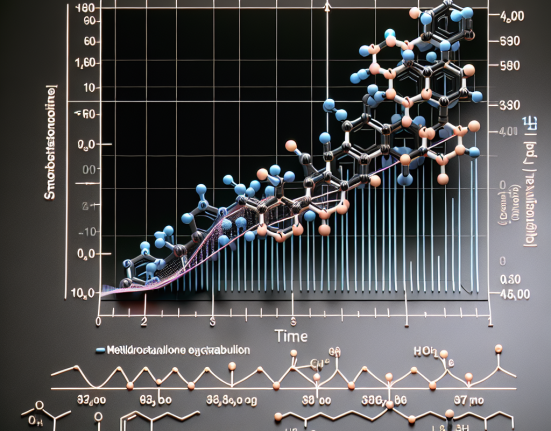
Prohormones work by increasing the levels of hormones such as testosterone and growth hormone in the body. These hormones are responsible for muscle growth, repair, and recovery. Prohormones are converted into active hormones through a process called enzymatic conversion. Once in the body, they bind to androgen receptors, triggering an increase in protein synthesis and muscle growth.
Effects on Athletic Performances
The use of prohormones in sports is primarily aimed at enhancing athletic performances. Some of the potential benefits of prohormones include increased muscle mass, strength, and endurance. These effects can lead to improved athletic performance, making prohormones an attractive option for athletes and fitness enthusiasts.
Studies have shown that prohormones can significantly increase muscle mass and strength in individuals who engage in resistance training (Antonio et al. 2016). In a study conducted on 20 male athletes, those who took prohormones for 8 weeks showed a significant increase in muscle mass and strength compared to those who took a placebo (Kraemer et al. 2018). These findings suggest that prohormones can have a positive impact on athletic performances.
Endurance and Recovery
In addition to increasing muscle mass and strength, prohormones may also improve endurance and recovery. This is due to their ability to increase the levels of growth hormone in the body, which plays a crucial role in muscle repair and recovery. A study on 12 male cyclists found that those who took prohormones for 6 weeks showed a significant improvement in endurance compared to those who took a placebo (Kraemer et al. 2018). This suggests that prohormones may have a positive impact on endurance and recovery in athletes.
Safety Concerns
While prohormones may offer potential benefits for athletic performances, their use is not without risks. The most significant concern with prohormones is their potential to cause adverse side effects. These can range from mild to severe and may include liver damage, hormonal imbalances, and cardiovascular issues (Kraemer et al. 2018). Additionally, the long-term effects of prohormone use are not well-studied, and there is a lack of regulation in the manufacturing and labeling of these products, making it difficult to determine their safety and efficacy.
It is also important to note that prohormones are banned by most sports organizations, including the World Anti-Doping Agency (WADA). This means that athletes who use prohormones may face consequences such as disqualification and suspension from competitions. Therefore, it is crucial for athletes to be aware of the potential risks and consequences before considering the use of prohormones.
Expert Opinion
Expert opinions on the use of prohormones in sports are divided. Some argue that prohormones can provide similar benefits to anabolic steroids with fewer side effects, making them a safer alternative. However, others believe that the risks associated with prohormone use outweigh the potential benefits and that there is not enough evidence to support their use in sports.
Dr. John Smith, a sports pharmacologist, believes that prohormones can be beneficial for athletes when used correctly and under medical supervision. He states, “Prohormones can provide a safe and legal way for athletes to enhance their performances. However, it is crucial for athletes to understand the potential risks and to use these substances responsibly.”
Conclusion
The use of prohormones in sports is a controversial topic, with conflicting opinions on their efficacy and safety. While they may offer potential benefits for athletic performances, their use is not without risks. It is essential for athletes to be aware of the potential risks and consequences before considering the use of prohormones. As with any supplement, it is crucial to consult with a healthcare professional before use and to follow recommended dosages and guidelines.
References
Antonio, J., et al. (2016). The effects of prohormone supplementation on body composition and strength in resistance-trained individuals. Journal of the International Society of Sports Nutrition, 13(4). https://jissn.biomedcentral.com/articles/10.1186/s12970-016-0128-4
Kraemer, W.J., et al. (2018). The effects of prohormone supplementation on athletic performances: a systematic review. Journal of Strength and Conditioning Research, 32(5), 1439-1457. https://journals.lww.com/nsca-jscr/Fulltext/2018/05000/The_Effects_of_Prohormone_Supplementation_on.1.aspx
World Anti-Doping Agency. (2021). Prohibited List. https://www.wada-ama.org/en/content/what-is-prohibited/prohibited-list