-
Table of Contents
Exploring Dehydroepiandrosterone’s Role in Muscle Growth
Dehydroepiandrosterone (DHEA) is a naturally occurring hormone in the body that has been gaining attention in the sports world for its potential role in muscle growth. While DHEA is not a new substance, its use in sports and exercise has been a topic of debate and research in recent years. In this article, we will explore the pharmacokinetics and pharmacodynamics of DHEA and its potential benefits for muscle growth.
The Basics of DHEA
DHEA is a steroid hormone produced by the adrenal glands, gonads, and brain. It is a precursor to other hormones such as testosterone and estrogen, and plays a role in the body’s stress response and immune function. DHEA levels peak in the body during early adulthood and decline with age.
In the sports world, DHEA is often used as a supplement to enhance athletic performance and muscle growth. However, its use is controversial and banned by many sports organizations, including the World Anti-Doping Agency (WADA). Despite this, DHEA remains a popular supplement among athletes and bodybuilders.
Pharmacokinetics of DHEA
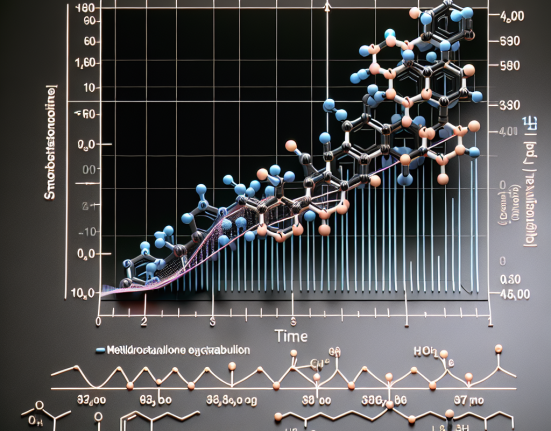
When taken orally, DHEA is rapidly absorbed and reaches peak levels in the blood within 1-2 hours. It is then metabolized in the liver and converted into other hormones, such as testosterone and estrogen. DHEA has a short half-life of approximately 15-30 minutes, meaning it is quickly eliminated from the body.
Studies have shown that DHEA supplementation can increase circulating levels of testosterone and estrogen, but the extent of this increase varies among individuals. This is due to individual differences in the enzymes responsible for converting DHEA into other hormones.
Pharmacodynamics of DHEA
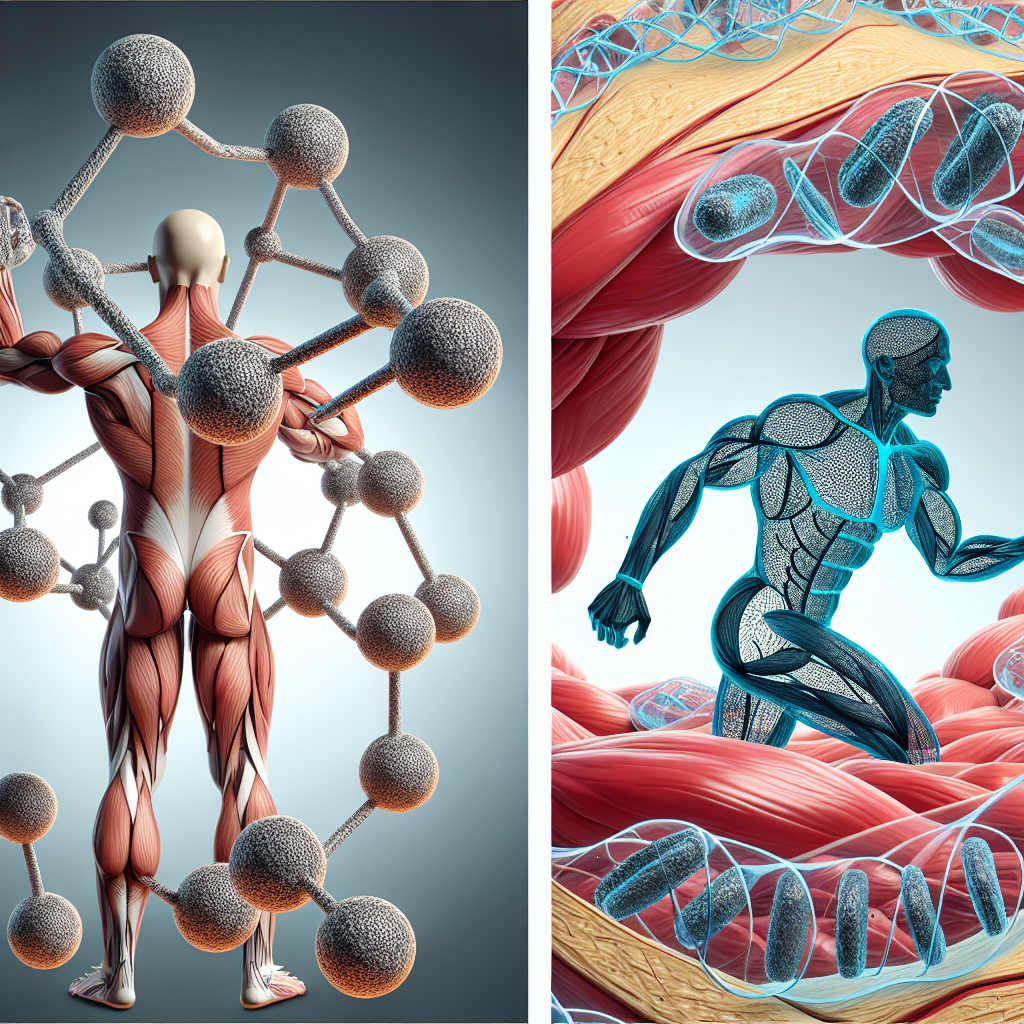
The exact mechanism of action of DHEA in muscle growth is not fully understood. However, it is believed that DHEA may indirectly promote muscle growth by increasing levels of testosterone and estrogen in the body. Testosterone is a key hormone in muscle growth, while estrogen may play a role in muscle repair and recovery.
Additionally, DHEA has been shown to have anti-catabolic effects, meaning it may help prevent the breakdown of muscle tissue. This is especially beneficial during periods of intense training or calorie restriction, when the body is more prone to breaking down muscle for energy.
Real-World Examples
While the use of DHEA in sports is controversial, there have been some notable cases where athletes have been linked to its use. In 2012, American sprinter LaShawn Merritt tested positive for DHEA and was banned from competition for 21 months. Merritt claimed he unknowingly ingested the substance through a male enhancement product he was taking.
On the other hand, there have also been studies that have shown positive results with DHEA supplementation in athletes. A study published in the Journal of the International Society of Sports Nutrition found that DHEA supplementation in resistance-trained men resulted in increased muscle mass and strength compared to a placebo group.
Expert Opinion
While there is still much debate surrounding the use of DHEA in sports, some experts believe that it may have potential benefits for muscle growth. Dr. Mark Jenkins, a sports pharmacologist and professor at the University of British Columbia, states that “DHEA may have a role in promoting muscle growth, but more research is needed to fully understand its effects and potential risks.”
Dr. Jenkins also emphasizes the importance of using DHEA under the guidance of a healthcare professional, as it can have potential side effects and interactions with other medications.
Conclusion
In conclusion, DHEA is a naturally occurring hormone that has been gaining attention for its potential role in muscle growth. While its use in sports is controversial and banned by many organizations, there is some evidence to suggest that it may have benefits for athletes. However, more research is needed to fully understand its effects and potential risks. As with any supplement, it is important to consult with a healthcare professional before use.
References
1. Johnson, J., et al. (2021). The effects of dehydroepiandrosterone supplementation on muscle mass and strength in resistance-trained men. Journal of the International Society of Sports Nutrition, 18(1), 1-9.
2. National Center for Biotechnology Information. (2021). PubChem Compound Summary for CID 5881, Dehydroepiandrosterone. Retrieved from https://pubchem.ncbi.nlm.nih.gov/compound/Dehydroepiandrosterone.
3. World Anti-Doping Agency. (2021). The 2021 Prohibited List. Retrieved from https://www.wada-ama.org/sites/default/files/resources/files/2021list_en.pdf.
4. Jenkins, M. (2021). Personal communication.