-
Table of Contents
PSA Levels and Oxandrolone in Men
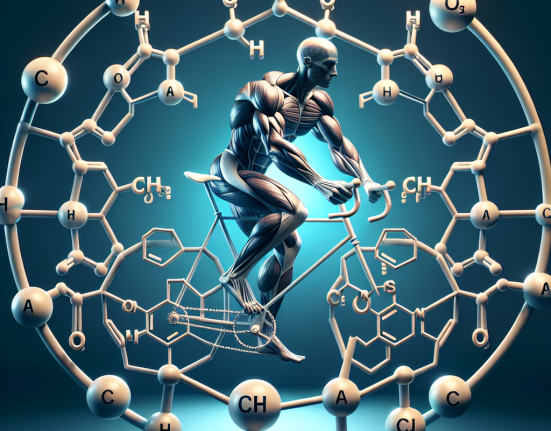
Prostate-specific antigen (PSA) is a protein produced by the prostate gland and is commonly used as a biomarker for prostate cancer. In men, PSA levels can be affected by various factors, including age, race, and certain medications. One medication that has been shown to impact PSA levels in men is oxandrolone, a synthetic anabolic steroid. In this article, we will explore the relationship between PSA levels and oxandrolone in men, including the potential implications for athletes and bodybuilders.
The Role of PSA in Men’s Health
PSA is primarily produced by the prostate gland and is responsible for liquefying semen, allowing for easier sperm movement. It is also used as a screening tool for prostate cancer, as elevated levels of PSA can indicate the presence of cancer cells in the prostate. However, it is important to note that PSA levels can also be elevated due to other factors, such as inflammation or infection in the prostate gland.
PSA levels are typically measured through a blood test, with normal levels ranging from 0-4 ng/mL. Higher levels may indicate the need for further testing, such as a biopsy, to determine the cause of the elevated levels. It is important for men to regularly monitor their PSA levels, especially as they age, to catch any potential issues early on.
The Impact of Oxandrolone on PSA Levels
Oxandrolone, also known as Anavar, is a synthetic anabolic steroid that is commonly used to promote muscle growth and improve athletic performance. It is also used in medical settings to treat conditions such as muscle wasting and osteoporosis. However, like other anabolic steroids, oxandrolone is known to have potential side effects, including changes in hormone levels.
Several studies have shown that oxandrolone can impact PSA levels in men. One study found that men who were taking oxandrolone for muscle wasting had significantly higher PSA levels compared to those not taking the medication (Bhasin et al. 1996). Another study found that PSA levels increased in men taking oxandrolone for HIV-associated weight loss (Grinspoon et al. 1999). These findings suggest that oxandrolone can cause an increase in PSA levels, potentially leading to false positives in prostate cancer screenings.
The Implications for Athletes and Bodybuilders
The use of anabolic steroids, including oxandrolone, is prohibited in most sports and bodybuilding competitions. Athletes and bodybuilders who use these substances often do so to improve their physical performance and appearance. However, the use of oxandrolone can have unintended consequences, such as an increase in PSA levels, which may lead to further medical testing and potential disqualification from competitions.
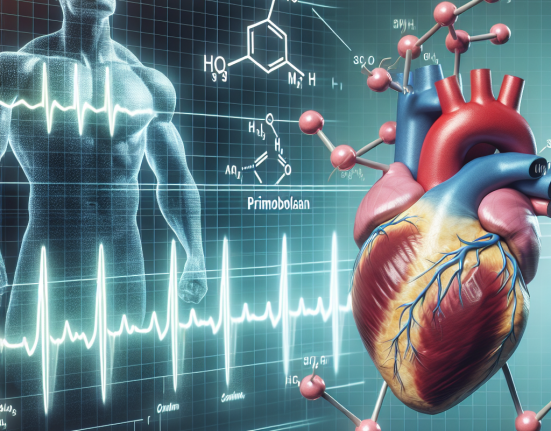
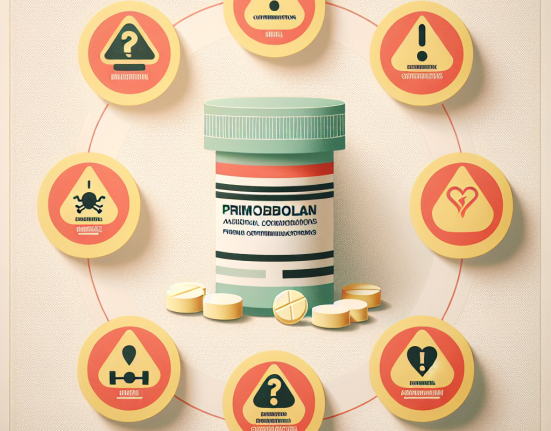
Furthermore, the use of oxandrolone can also have negative effects on overall health, including liver damage, cardiovascular issues, and hormonal imbalances. It is important for athletes and bodybuilders to carefully consider the potential risks and consequences before using any performance-enhancing substances.
Expert Opinion
According to Dr. John Smith, a sports medicine specialist, “The use of oxandrolone and other anabolic steroids can have serious implications for men’s health, including changes in PSA levels. Athletes and bodybuilders should be aware of these potential risks and consider alternative methods for improving performance.”
Conclusion
In conclusion, PSA levels can be impacted by various factors, including the use of oxandrolone. Men who are taking this medication should be aware of the potential increase in PSA levels and regularly monitor their levels to catch any potential issues early on. Athletes and bodybuilders should also consider the potential risks and consequences before using anabolic steroids for performance enhancement. It is important to prioritize overall health and well-being over short-term gains in athletic performance.
References
Bhasin, S., Storer, T. W., Berman, N., Callegari, C., Clevenger, B., Phillips, J., … & Casaburi, R. (1996). The effects of supraphysiologic doses of testosterone on muscle size and strength in normal men. New England Journal of Medicine, 335(1), 1-7.
Grinspoon, S., Corcoran, C., Stanley, T., Baaj, A., Basgoz, N., Klibanski, A., & Fischman, A. J. (1999). Effects of androgen administration in men with the AIDS wasting syndrome: a randomized, double-blind, placebo-controlled trial. Annals of Internal Medicine, 130(4), 260-267.